Let's talk about peanut butter drop cookies. You know the ones. They're supposed to be soft in the middle, a little chewy at the edges, with that deep, roasty peanut butter flavor that makes you want to eat three before they even cool down. But too often, recipes disappoint. They turn out cakey, or dry, or bland, or they spread into one giant, thin cookie sheet. After a decade of tweaking, burning, and (finally) perfecting this classic, I'm sharing the only recipe you'll ever need. This isn't just a list of ingredients; it's the why behind every step, the fixes for common disasters, and the secrets to a cookie that's actually better than your grandma's. Forget everything you think you know about baking them. We're starting from scratch.
Your Quick Cookie Guide
The Ingredient Deep Dive: Why Each One Matters
Most recipes just list stuff. I want you to understand what each component does, so you can make smart swaps and never fail. The quality of your peanut butter drop cookies is decided before you even turn on the oven.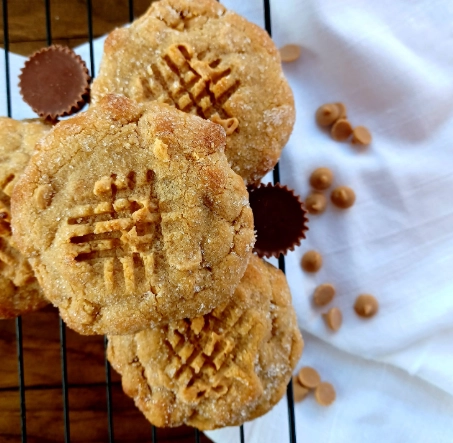
Peanut Butter: The Star of the Show
This is the biggest make-or-break. You must use a commercial, shelf-stable peanut butter like Jif or Skippy. I know, I know. "But natural is healthier!" Sure. And it will give you a greasy, crumbly, sad cookie. The stabilized oils and added sugars and emulsifiers in standard peanut butter are what give the cookie structure and that iconic texture. Natural peanut butter separates, and that variance in oil will wreck your dough. If you're a natural PB purist, you can make it work, but you'll need to adjust other fats—it's a headache for a first perfect batch. Stick with the classic for now.
Flour: The Foundation
All-purpose flour is perfect. Don't use bread flour (too much gluten, tough cookie) or cake flour (too little, flat cookie). The real trick? How you measure it. Scooping directly from the bag packs in too much flour, leading to dry, cakey cookies. Spoon the flour into your measuring cup and level it off. For absolute precision, a kitchen scale (around 125 grams per cup) is a game-changer.
Sugars: The Texture Architects
White sugar promotes spreading and crispness. Brown sugar (use the dark stuff) adds moisture, chewiness, and that caramel-like depth. The ratio is key. My recipe leans slightly more on brown sugar for a supremely chewy center. Molasses in the brown sugar also reacts with baking soda for better rise.
Fats & Binders
Unsalted butter lets you control salt. An extra egg yolk adds richness and chew without making the structure too cakey (a whole extra egg would do that). Pure vanilla extract rounds out the flavor. Don't skip the salt—it makes the peanut flavor pop.
Pro Tip Nobody Tells You: Your butter should be cool to the touch, not room-temperature soft. If you can leave a deep fingerprint with no resistance, it's too warm. Cooler butter = less spreading = thicker, chewier cookies. Take it out of the fridge 30-40 minutes before you start, not hours.
| Ingredient | Role in the Cookie | What Happens If You Change It? |
|---|---|---|
| Commercial Peanut Butter (e.g., Jif) | Provides flavor, fat, and structure. Binds the dough. | Natural PB leads to oily, crumbly cookies. Must adjust recipe. |
| All-Purpose Flour | Builds the cookie's structure and body. | Bread flour = tough. Cake flour = flat and fragile. |
| Dark Brown Sugar | Adds moisture, chewiness, and caramel flavor. | All white sugar = crispier, flatter, less flavorful cookies. |
| Cool Unsalted Butter | Adds flavor and influences spread. Cool temp controls thickness. | Melted butter = very thin, greasy cookies. Too warm = excessive spread. |
| Egg + Extra Yolk | Binds ingredients, adds richness and chew. | Two whole eggs = more cake-like texture. Egg whites promote crispness. |
| Baking Soda | Leavening agent. Reacts with acids (brown sugar) to rise. | Too little = dense cookie. Too old (not active) = no rise, flat cookie. |
How to Make Peanut Butter Drop Cookies: The Step-by-Step Guide
Here’s the master recipe, annotated with the crucial "whys."
Ingredients:
- 1/2 cup (1 stick / 113g) cool, unsalted butter
- 3/4 cup (190g) creamy commercial peanut butter
- 3/4 cup (150g) packed dark brown sugar
- 1/4 cup (50g) granulated white sugar
- 1 large egg + 1 large egg yolk, at room temp
- 2 teaspoons pure vanilla extract
- 1 3/4 cups (220g) all-purpose flour (spooned & leveled)
- 3/4 teaspoon baking soda
- 1/2 teaspoon fine sea salt
The Process:
1. Prep: Preheat your oven to 350°F (175°C). Line baking sheets with parchment paper. Not wax paper. Parchment. This prevents sticking and ensures even browning without greasing (which can cause more spread).
2. Cream the Fats & Sugars: In a large bowl, beat the cool butter, peanut butter, brown sugar, and white sugar together for about 2 minutes. You want it well-combined and slightly fluffy, but don't overdo it. Over-creaming incorporates too much air, which can collapse and create weird textures.
3. Add Wet Ingredients: Beat in the egg, then the extra yolk, one at a time. Stir in the vanilla. The mixture might look a bit curdled—that's fine.
4. Combine Dry Ingredients: In a separate bowl, whisk the flour, baking soda, and salt. This ensures even distribution of the leavening agent, which is critical for consistent rise.
5. Mix the Dough: Add the dry ingredients to the wet. Mix on low speed or by hand just until no dry flour remains. This is the most common mistake. Overmixing develops gluten, making cookies tough. A few tiny streaks are better than a minute of extra mixing.
6. Portion & Bake: Drop rounded tablespoons of dough (a #40 cookie scoop is perfect) onto the prepared sheets, spacing them about 2 inches apart. Do not flatten them. Bake for 10-12 minutes. They will look puffy, soft, and barely golden at the edges. The centers will seem underdone. This is correct.
7. The Critical Rest: Remove from oven and let cookies cool on the baking sheet for 5 full minutes. They will finish setting and deflate slightly, becoming chewy. Then transfer to a wire rack to cool completely. Eating one warm is a chef's privilege.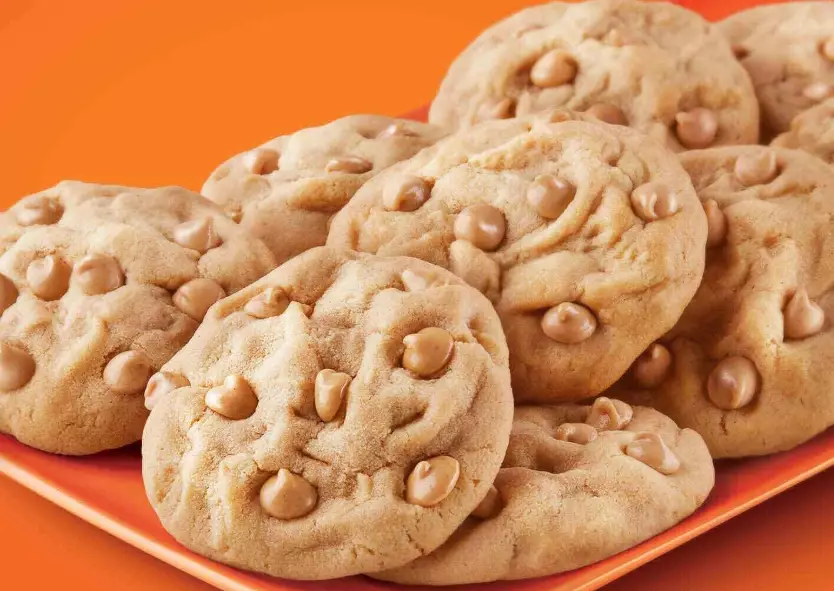
Baking & Troubleshooting: Fixing Common Cookie Problems
Your cookies didn't turn out? Let's diagnose it.
Problem: Flat, Greasy Pancakes.
Cause 1: Butter or dough was too warm. Cause 2: Used natural peanut butter. Cause 3: Baking sheet was too hot (reusing without cooling). Fix: Chill the dough for 30 minutes before baking, and always use cool baking sheets.
Problem: Dry, Crumbly, Cakey Texture.
Cause 1: Too much flour (from scooping). Cause 2: Overbaked. Cause 3: Overmixed the dough. Fix: Measure flour correctly, set a timer, and mix minimally.
Problem: Cookies Spread Into Each Other.
Cause: Not enough space on the pan. They need room for hot air to circulate. Always 2 inches apart.
Problem: Uneven Baking.
Cause: Your oven has hot spots. Rotate the baking sheet halfway through the bake time for even color.
Expert-Level Variations & Flavor Twists
The base recipe is perfect alone. But if you want to play, here are tested add-ins.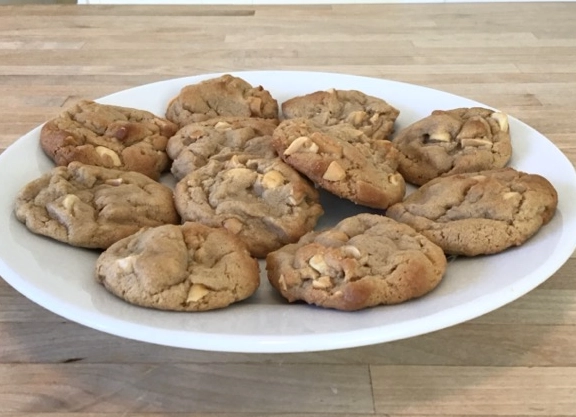
The Classic Enhancement: Fold in 1 cup of semi-sweet chocolate chips after mixing the dough. It's timeless for a reason.
For Salted Caramel Lovers: Press a Rolo candy into the center of each dough ball before baking. The caramel seeps into the cookie.
The "Kitchen Sink" Cookie: Add 1/2 cup each of chocolate chips, chopped pretzels, and butterscotch chips. The sweet-salty-crunchy combo is insane.
For a Fluffier Texture (if you must): Replace the baking soda with 1 teaspoon of baking powder. You'll get a taller, more cake-like cookie. I prefer chew, but some do.
Storing, Freezing, and Gifting Your Cookies
Store completely cooled cookies in an airtight container at room temperature for up to 5 days. A slice of bread in the container keeps them soft by releasing moisture (trust me, it works).
To freeze baked cookies, layer them between parchment in a freezer bag. They'll keep for 3 months. Thaw at room temp.
The Real Pro Move: Freeze the dough balls. Scoop the dough onto a sheet, freeze solid, then transfer to a bag. You can bake frozen dough balls straight from the freezer, adding 1-2 minutes to the bake time. Fresh, warm cookies on demand.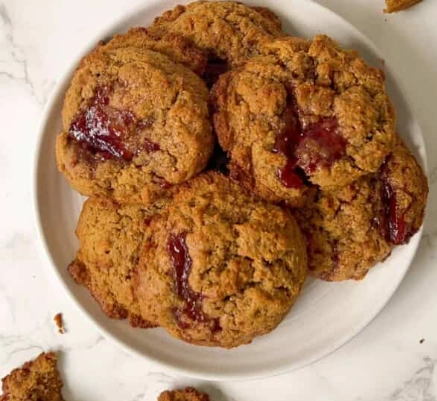
Your Peanut Butter Cookie Questions, Answered
Why did my peanut butter cookies come out hard instead of chewy?
You likely overbaked them or overmixed the dough. Peanut butter cookies continue to set as they cool on the hot baking sheet. If you bake them until they look "done" in the oven, they'll be overdone and hard by the time they cool. Pull them out when the edges are just set and the centers look puffy and soft. Also, ensure you're using enough brown sugar and the extra egg yolk for moisture.
Can I make these peanut butter drop cookies without a mixer?
Absolutely. Use a sturdy wooden spoon and some elbow grease. Cream the butter, peanut butter, and sugars as best you can—it will take a few minutes of vigorous stirring. The key is to get them well combined. Mixing the dry ingredients in by hand is actually safer, as it's harder to overmix.
My cookies are always too sweet. Can I reduce the sugar?
You can cautiously reduce the white sugar by a tablespoon or two. Be careful with the brown sugar—it's not just for sweetness; it's crucial for texture and moisture. Reducing it significantly will give you a drier, crumbly cookie. A better approach is to use a peanut butter with no added sugar (if you're committed to the natural route) or to balance the sweetness with a flaky sea salt sprinkle after baking.
How can I make my cookies look more professional, like from a bakery?
Two simple tricks. First, use a cookie scoop for perfectly uniform size and shape. Second, after scooping, roll the dough into a smooth ball between your palms. This gives them a nicer, rounder appearance as they bake. For a classic look, use a fork to press a crosshatch pattern on the dough ball before baking—just a light press, don't flatten it completely.
Is there a way to make these gluten-free?
Yes, but it requires a 1-to-1 gluten-free flour blend that contains xanthan gum (like Bob's Red Mill or King Arthur brands). Substitute it measure-for-measure for the all-purpose flour. The texture will be slightly more delicate and may spread a bit more, but the flavor will be great. Do not use almond or coconut flour here; they behave completely differently.
That's it. The full, unvarnished truth about peanut butter drop cookies. It's a simple pleasure, but the difference between a good one and a perfect one is in these details. Now go preheat your oven. Your best batch is waiting.
Reader Comments