Let's talk about peanut butter serving calories. It's the question that stops a lot of us mid-scoop: just how much damage am I doing with this spoonful? The answer isn't as simple as a number on a jar. After years of tracking my nutrition and coaching others, I've seen the same mistake over and over. People either wildly overestimate a serving and deprive themselves, or, more commonly, they grossly underestimate it, turning a healthy snack into a calorie bomb without realizing it. This guide cuts through the confusion. We'll go beyond the basic "90-100 calories per tablespoon" factoid. You'll learn exactly what constitutes a serving, how calories vary between brands and types, the most accurate way to measure (the spoon-and-level method most people skip is crucial), and how to seamlessly fit peanut butter into your diet, whether you're maintaining, losing, or building muscle.
What's Inside: Your Quick Guide
What Exactly is a "Serving" of Peanut Butter?
Here's where the confusion starts. You'll see two main measurements on labels, and they are not the same.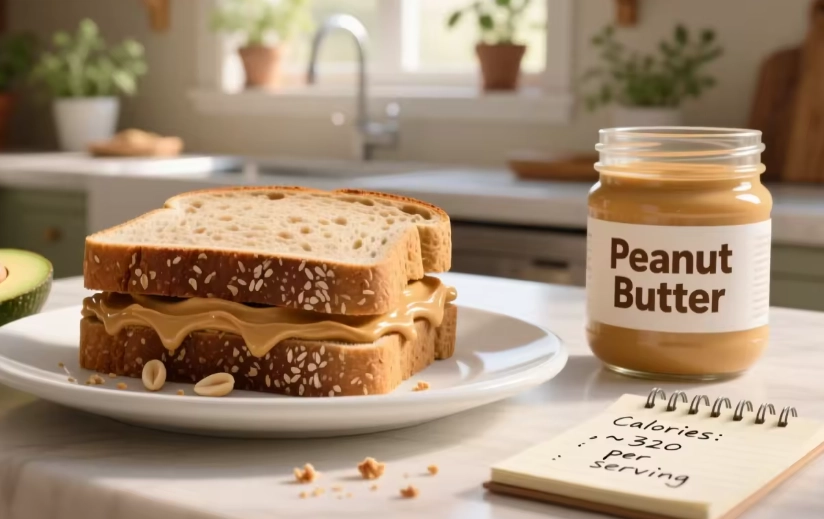
One Tablespoon (1 tbsp or ~16g): This is the standard nutritional serving you'll see on almost every jar in the U.S. It's a level tablespoon, not heaping. Visualize the size of your thumb from the knuckle to the tip—that's roughly a tablespoon's volume.
Two Tablespoons (2 tbsp or ~32g): Some brands, especially those marketing for athletes or as a protein source, use this as their serving size. It doubles everything—calories, protein, fat. Always check the label first. Assuming it's one tablespoon when it's listed as two is the quickest way to accidentally double your intake.
The Sneaky Reality: A "heaping" tablespoon, which is how most of us scoop straight from the jar, can easily be 1.5 to 2 actual tablespoons. That "100-calorie snack" just became 150-200 calories without you blinking. This is the #1 error I correct with clients.
How Many Calories Are in a Serving of Peanut Butter?
The classic answer is "about 90-100 calories per tablespoon." But that's an average that hides important details. The calorie count depends almost entirely on one thing: the fat content. Peanut butter is a fat-based food, and fat has 9 calories per gram. More fat = more calories.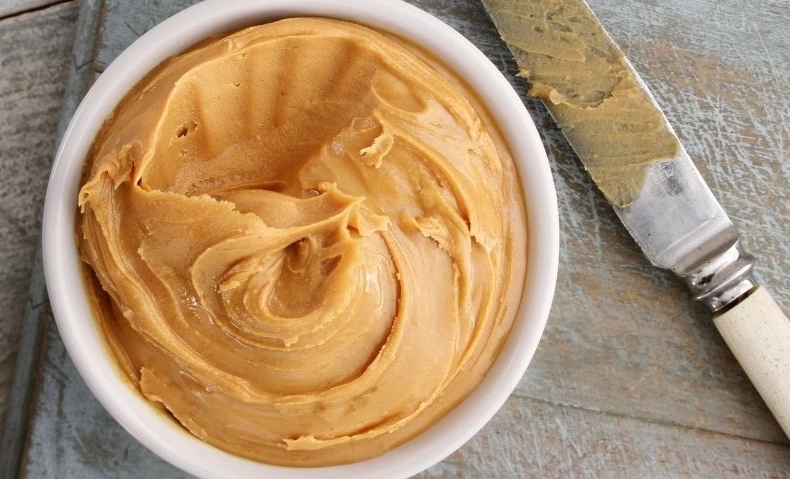
Here’s a breakdown of how calories stack up across different types for a standard 2-tablespoon (32g) serving, based on data from the USDA FoodData Central and major brand labels:
| Type of Peanut Butter | Calories (per 2 tbsp / 32g) | Primary Calorie Drivers & Notes |
|---|---|---|
| Conventional (Jif, Skippy) | 190 - 200 | Added sugars and hydrogenated oils bump calories slightly. The creamy texture often comes from extra fat. |
| "Natural" Stir-Preferred (Smucker's, Adams) | 180 - 200 | Calories are similar to conventional, but from just peanuts and salt. Oil separation is normal. |
| Powdered (PB2, PB Fit) | 60 - 70 | Most fat is pressed out. Calories are drastically lower, but so is satiety. You're mostly getting protein and carbs. |
| "No Sugar Added" Varieties | 180 - 190 | Calories remain high because the fat is still there. The main saving is in carbs/sugars. |
| High-Protein Blends | 170 - 190 | Often mix peanut protein isolate. Slightly lower fat can mean slightly fewer calories, but check the label. |
Notice something? Except for the powdered version, they all hover in the same high-calorie ballpark for a real serving. Choosing "natural" over conventional is great for ingredient quality, but it's not a free pass on calories. The fat—the healthy, monounsaturated kind—is still the main event.
Where Do the Calories Come From?
Let's dissect a serving of standard natural peanut butter (2 tbsp):
- Fat: ~16 grams. This contributes about 144 calories (16g x 9 cal/g). This is 70-80% of the total calories.
- Protein: ~7-8 grams. Contributes about 28-32 calories.
- Carbohydrates: ~6-7 grams (with 2-3g being fiber). Contributes about 24-28 calories.
This macronutrient profile is precisely why peanut butter is so satiating. The combo of protein, fiber, and high-fat content slows digestion and keeps you full. But it's also why the calories are dense.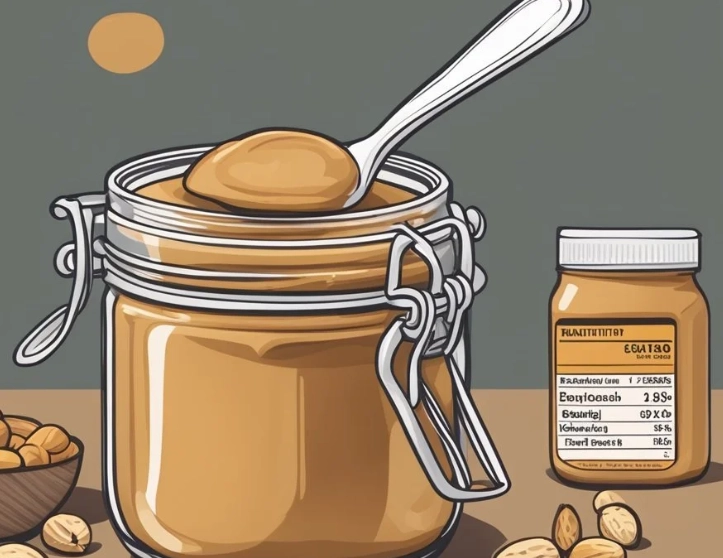
Why Serving Size Accuracy Matters More Than You Think
This isn't just about counting calories. It's about the ripple effect of being off by even a little.
I had a client who was "stuck" in her weight loss. She ate clean, exercised, and had a tablespoon of peanut butter on her afternoon apple. When we did a kitchen audit, I had her show me her "tablespoon." She used a regular dining spoon and dug into the jar. We weighed it. It was 28 grams—nearly a double serving. That "100-calorie" habit was actually costing her nearly 200 calories a day, over 1400 calories a week. That's enough to completely halt weight loss.
The reverse happens too. Someone meticulously measures one level tablespoon but is ravenous an hour later because they paired it with a carb-heavy, low-fiber cracker. They think peanut butter "doesn't fill them up," when the issue was the serving size and food pairing.
The Expert Angle: Don't fear the calories in peanut butter. Respect them. Their density is their power for satiety and nutrition, but it demands precision. Inaccuracy here has a bigger impact than with most other foods because of the 9-calories-per-gram fat factor.
How to Accurately Measure a Peanut Butter Serving
Forget eyeballing. Here are the methods, ranked from best to "please avoid."
1. The Gold Standard: Weigh It (Using a Food Scale)
This is the only method that accounts for density differences (chunky vs. creamy, cold vs. room temperature). Set your bowl or plate on the scale, tare it to zero, and scoop until you hit 16g for one tablespoon or 32g for two. It's fast and eliminates all guesswork.
2. The Spoon-and-Level Method (If You Must Use Volume)
If you don't have a scale, this is your mandatory protocol. Use a proper measuring tablespoon, not a soup spoon. Scoop a heaping amount, then take the back of a knife and level it off flush with the top of the spoon. That mound you scraped off? That's the extra 50-100 calories you're not counting.
Methods That Set You Up for Failure:
- The "Dining Spoon" Scoop: Utensil drawers are full of lies. A typical dining spoon can hold 1.5 to 2 tablespoons easily.
- The "Knife Spread" Estimate: Spreading a "thin layer" on toast is incredibly subjective and almost always exceeds a serving.
- Eating Straight from the Jar: This is a calorie black hole. Just don't.
How to Fit Peanut Butter Into Your Daily Diet
Knowing the calories is one thing. Making it work in your real life is another. Here’s how to integrate it strategically.
For Weight Loss or Calorie Deficit:
Stick to a strict one-tablespoon (16g) serving. Treat it as a flavor and satiety booster, not the main event.
- Pair it with volume: Mix into plain Greek yogurt (it becomes a sauce). Drizzle (measured!) over a bowl of berries or apple slices. The fiber and water in the fruit add bulk for very few calories.
- The Pre-Portion Trick: On Sunday, portion out seven 16g servings into small silicone cups or on parchment paper, freeze them, and pop one out daily. It removes the temptation to double-dip.
For Maintenance or Muscle Building:
You have more room. A two-tablespoon (32g) serving is a fantastic source of healthy fats and protein.
- Make it a meal anchor: Use it in a post-workout smoothie with banana, protein powder, and almond milk. Spread it on whole-grain toast with sliced banana for a balanced breakfast.
- The Satiation Test: After your serving, wait 15 minutes. Are you still hungry? The fat and protein need time to signal fullness. Drink a glass of water. If you're still hungry, add more protein or veggies, not more peanut butter.
I keep a jar of natural peanut butter in my desk. My go-to 3 PM slump fix is one weighed-out tablespoon stirred into a single-serving cup of plain Skyr yogurt. It tastes indulgent, packs 20+ grams of protein, and reliably keeps me full until dinner. The key is the pairing and the precise measurement.
Your Peanut Butter Calorie Questions, Answered
I'm trying to lose weight. Can I still eat peanut butter every day?
Is powdered peanut butter a better low-calorie option?
Why does the calorie count on my jar differ from the USDA database?
My fitness app says this brand is 190 calories, but the jar says 200. Which is right?
How do calories change if I use chunky vs. creamy peanut butter?
Reader Comments